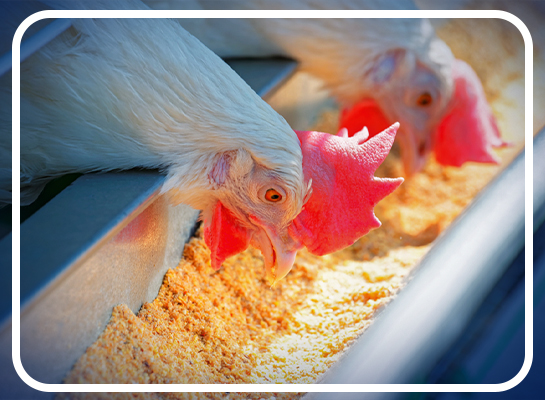
Feed enzymes are natural powerhouses that play a crucial role in improving animal nutrition, feed efficiency, and overall farm productivity. These enzymes are put into animal feed to make complex nutrients easier to be broken down by animals in order to be digested and absorbed. Improving the digestibility of feeds helps animals get the utmost out of their food. This means healthier livestock, more efficient production, and more money in the bank at the end of the month. One of the most common feed enzymes is phytase, which degrades plant-based phosphorus to become more available to animals. This reduces the need for costly and environmentally damaging inorganic phosphorus supplements. Other enzymes such as proteases and analyses further break down proteins and starches to improve the digestion of both plant and animal feed. Feed enzymes also have a most benefit to the environment.
Enhancing feed efficiency reduces the demand for supplementary feed, thereby lowering the carbon footprint of animal farming. Besides, enzyme supplementation could aid in reducing manure through a reduction in the output of undigested nutrients. It is a win-win for both the farmer and the planet. Feed enzymes lead to better health in animals, increased productivity, and a more sustainable approach to farming, without waste and with a boost to the bottom line.
Our Products
Acid Cellulase (Liquid and Powder)
- Breaks down cellulose, improving fiber digestion.
Neutral Cellulase (Liquid and Powder)
- Assists in breaking down plant cell walls for better nutrient absorption.
Acid Protease (Liquid and Powder)
- Improves protein hydrolysis in feed for better digestibility.
Acid Protease (Liquid and Powder)
- Improves protein hydrolysis in feed for better digestibility.
Alkaline Protease (Liquid and Powder)
- Hydrolyzes proteins to release essential amino acids in feed.
Neutral Protease (Powder)
- Balances pH during digestion for enhanced protein utilization.
Beta Glucanase (Powder)
- Breaks down beta-glucans, improving feed efficiency in poultry and swine.
Xylanase (Powder)
- Reduces anti-nutritional factors in feed grains, improving digestibility.
Bacterial Amylase (Powder)
- Hydrolyzes starch into simpler sugars for improved digestion.
Bacterial Amylase (Powder)
- Hydrolyzes starch into simpler sugars for improved digestion.
Phytase
- Releases phosphorus from phytates, reducing environmental impact and increasing nutrient availability.
FAQ’s
Animal feed can contain preservatives, flavor enhancers, antibiotics, and minerals to enhance growth and prevent spoilage.
The common feed additives include vitamins, minerals, enzymes, probiotics, and antioxidants, which enhance nutritional value and animal health.
To keep animal feed from spoiling and to increase its shelf life, preservatives including ethoxyquin, propionic acid, and antioxidants are added.
Enzymes improve the digestion and absorption of nutrients, increasing feed efficiency, promoting development, and enhancing the general health of animals.
Animals can more easily digest complex foods thanks to enzymes, which improves nutrient utilization and performance.