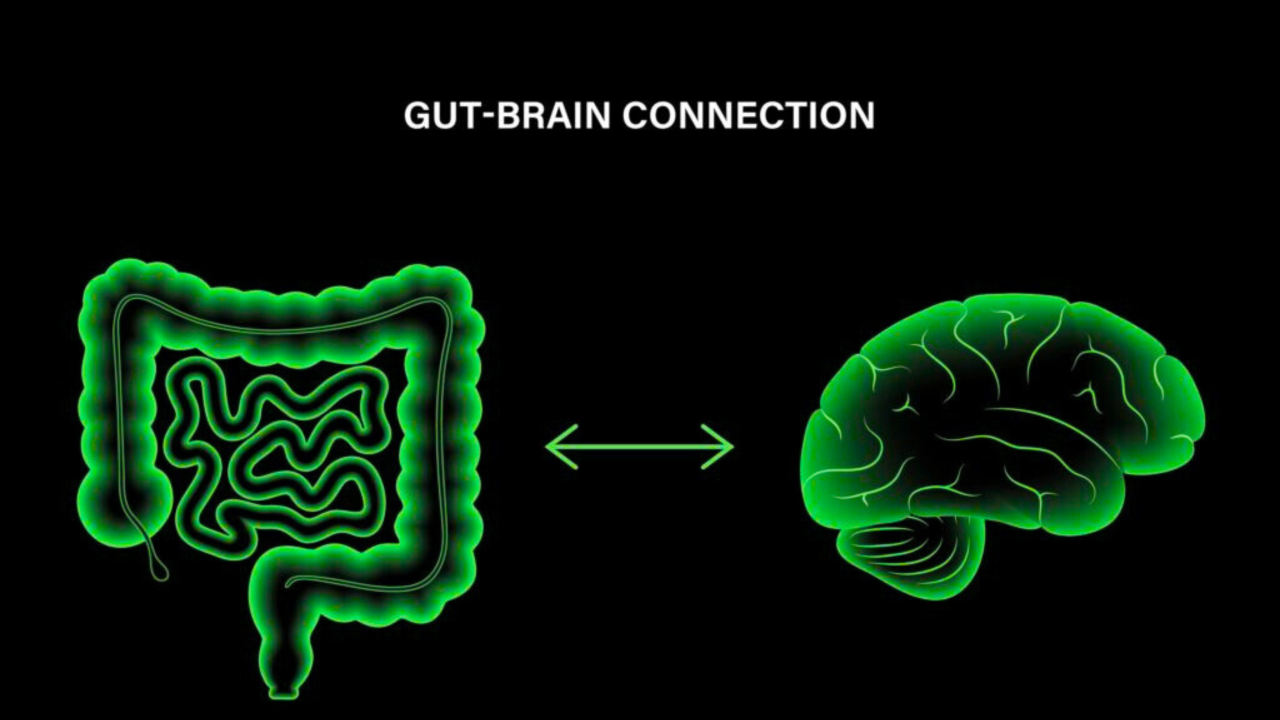
Gut health is emerging as one of the most powerful influences on mental well-being at work. Modern research confirms that chronic workplace stress is rampant – one survey found 83% of employees regularly experience stress and 66% report – with effects spilling from mood into the gut. In fact, our brains and digestive systems are in constant two-way communication. Signals travel via the vagus nerve and microbial metabolites, so an unsettled gut can “send distress signals” to the brain and a stressed brain can upset . Over time this “gut–brain axis” feedback loop can amplify anxiety, depression and even cognitive fog on the .
The Gut–Brain Axis Explained
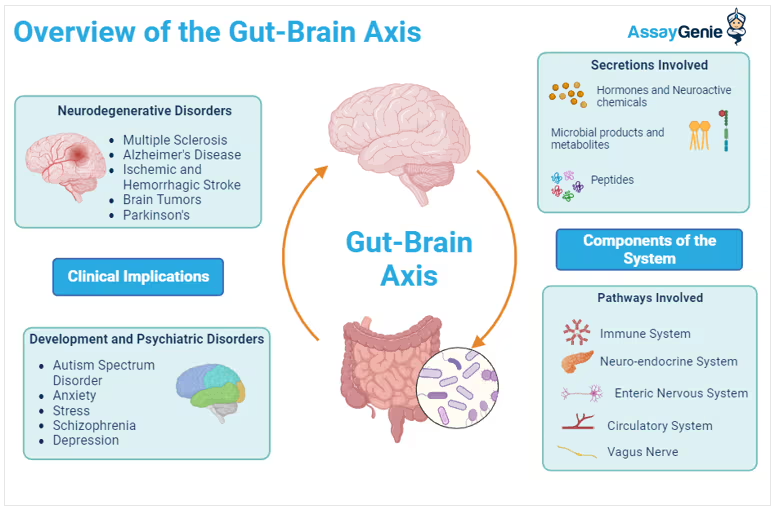
Emerging evidence shows the gut micobiome (trillions of gut bacteria) plays a significant role in mental . These microbes influence neurotransmitter production and immune signals that reach the brain. For example, microbial byproducts and hormones travel through the bloodstream and vagus nerve to modulate brain . One review concludes that “numerous studies have demonstrated how the gut microbiota might be critical for mood regulation” and that probiotic suplements can beneficially “regulat[e] the gut–brain axis”. In short, what we eat and how gut health is can materially affect stress resilience and focus.
- Serotonin & Mood Hormones: The gut produces about 90% of the body’s serotonin, a key “feel-good” . A poor diet or dysbiosis can therefore lower serotonin output and trigger anxiety
- Inflammation Control: Good gut bacteria help keep systemic inflammation in check. Chronic inflammation is linked to worse depression and stress reactions, whereas a balanced microbiome reduces inflammatory signals to the .
- Stress Hormone Regulation: A healthy gut helps modulate cortisol (the stress hormone). Balanced gut flora prevent cortisol spikes, limiting chronic stress and .
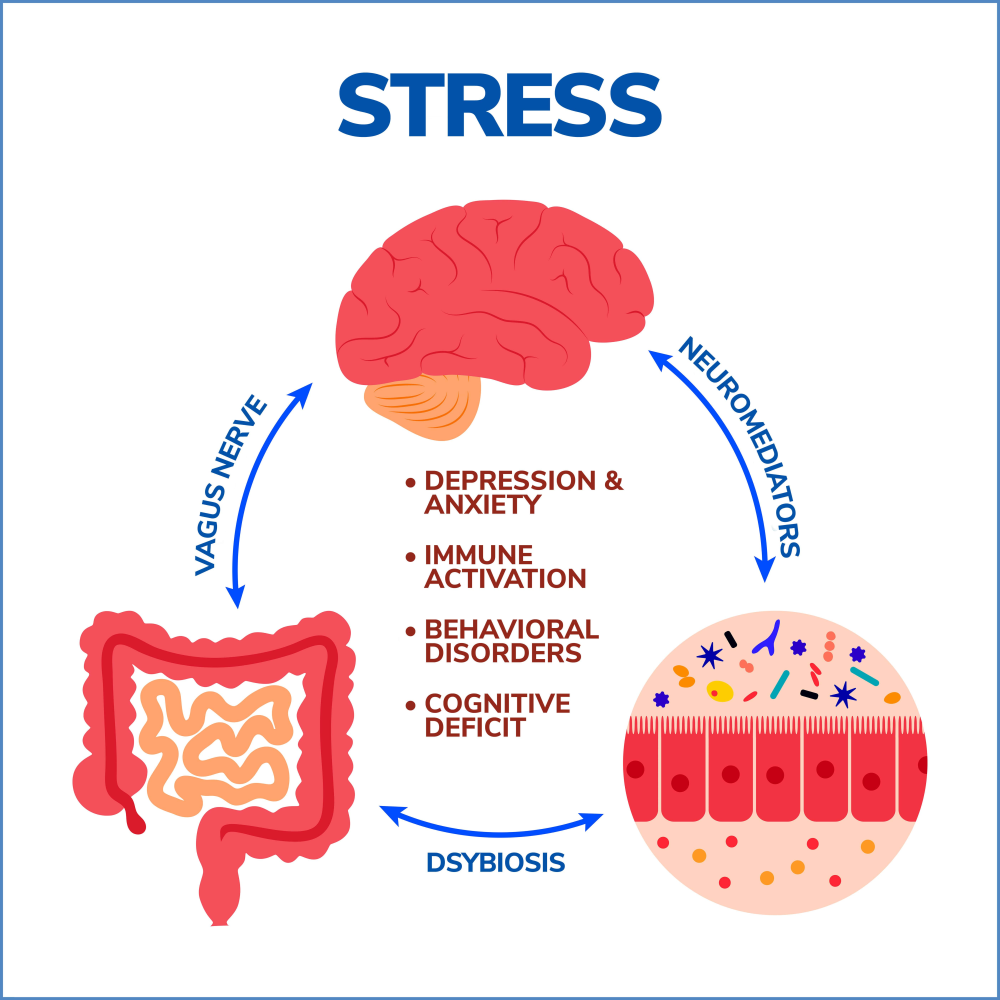
Together, these mechanisms mean that gut imbalances (from diet, illness, or stress itself) can make mood swings, anxiety or “brain fog” more likely at . Conversely, nurturing the gut with good foods and supplements oftn leads to smoother moods and better .
Diet, Probiotics and Lifestyle Strategies
Nutrition and lifestyle directly shape the microbiome. A high-fiber, diverse diet (vegetables, fruits, whole grains, legumes) feeds beneficial gut microbes and produces brain-protective short-chain fatty . Fermented foods or probiotics (yogurt, kefir, kimchi, supplements) introduce beneficial bacteria; studies show such probiotics can reduce negative mood and anxiety symptoms over . Supplements like L-theanine, ashwagandha, magnesium or prebiotics are also increasingly popular for stress support – U.S. searches for stress-relief supplements rose ~12% year-over-year .
Experts recommend practical habits: eating plenty of fiber and fermented foods, staying well-hydrated, limiting processed/sugary foods, and getting regular exercise (which itself boosts gut diversity). A dietary guide suggests “prebiotics and probiotics” in every meal – for example, adding kimchi or yogurt to your lunch, and snacking on nuts, berries or whole-grain . Similarly, stress-management practices (mindfulness, deep breathing, or short walks) help break the gut–stress cycle and improve . In short, a balanced diet plus good sleep and stress control are simple yet powerful ways to bolster both brain and gut health.
Supporting Employees: HR Initiatives
Employers and HR can actively foster gut health as part of wellness. For instance, offering fiber-rich, nutrient-dense foods in the cafeteria or vending machines (fruit bowls, salads, whole-grain options) directly feeds healthy gut . Providing or subsidizing probiotic foods (yogurt cups, kombucha, fermented snacks) sends the gut–brain link message loud and . Likewise, built-in mindfulness or yoga braks, on-site meditation apps, and hydration stations encourage stress relief and regular water intake, all of which support digestion and . In practice, companies that make these small changes report healthier, more resilient staffs: “Trillions of bacteria” in employees’ guts can then work for better emotional .
- Offer Fiber & Probioics: Stock meeting rooms and break areas with nuts, fruit, yogurt or . Run “gut health” challenges or demos on fermenting foods.
- Promote Stress Management: Schedule regular mindfulness sessions or provide subscriptions to meditation aps and encourage short, regular .
- Ensure Hydration & Exercise: Place water stations prominently and encourage movement (walking meetings or on-site gyms) – both boost gut diversity and mental .
By making gut-friendly choices easy and normal, organizations can reduce absenteeism and sharpen employee performance.
Conclusion: Integrating Gut Health into Wellness
Overall, growing scientific evidence confirms that gut health is deeply linked to mental well-being and productivity. Organizations that recognize and support this connection see real benefits — from sharper focus and improved moods to lower stress and healthcare costs. By making gut-friendly nutrition and stress-management habits part of everyday workplace culture, companies can nurture both body and mind.
At Enzyme Bioscience Pvt Ltd, we believe that understanding and promoting the gut–brain connection is more than a wellness trend — it’s an evidence-based strategy for building a happier, healthier, and more resilient workforce. Supporting employees’ gut health ultimately supports their overall performance and long-term success..
References and Further Reading
- Cryan, J. F., O’Mahony, S. M., Dinan, T. G. et al. The microbiota-gut-brain axis. The Brain-Gut-Microbiome Axis, PMC (PubMed Central). (2016) https://pmc.ncbi.nlm.nih.gov/articles/PMC6047317/ — A foundational review on bidirectional signaling between gut microbes and the brain. PMC
- Raskov, H., Burcharth, J., Pommergaard, H.-C., Rosenberg, J. Irritable bowel syndrome, the microbiota and the gut-brain axis. PMC (PMC5046167). (2016) https://pmc.ncbi.nlm.nih.gov/articles/PMC5046167/ — Illustrates how microbiota and gut–brain interactions influence gastrointestinal disorders like IBS. PMC
- Ma, T., et al. Probiotic consumption relieved human stress and anxiety: a randomized, placebo-controlled trial. ScienceDirect / Clinical Nutrition / Stress journal (2021) https://www.sciencedirect.com/science/article/pii/S2352289521000023 — Clinical evidence that probiotics can reduce stress and anxiety in human subjects. ScienceDirect
- Jun, J., et al. Probiotic supplements and stress-related occupational health: a scoping review. PMC (PMC10203357). (2023) https://pmc.ncbi.nlm.nih.gov/articles/PMC10203357/ — Survey of studies examining probiotic effects on stress and health in workplace settings. PMC
- Jiang, Z., et al. Enzymatic Regulation of the Gut Microbiota: Mechanisms and Potential for Clinical Outcome. MDPI (Biomolecules). (2024) https://www.mdpi.com/2218-273X/14/12/1638 — Describes how exogenous and endogenous enzymes influence gut microbial communities and immunity. MDPI
- Berding, K., et al. Feed your microbes to deal with stress: a psychobiotic diet intervention. Nature / Nature Neuroscience / Molecular Psychiatry (2023) https://www.nature.com/articles/s41380-022-01817-y — Study on diet rich in psychobiotic foods reducing perceived stress in adult volunteers. Nature
- The Microbiota-Gut-Brain Axis in Health and Disease. Frontiers in Cellular Neuroscience (2021) https://www.frontiersin.org/journals/cellular-neuroscience/articles/10.3389/fncel.2021.698172/full — Overview of how gut microbiota affect neuronal homeostasis and neurological disease. Frontiers
- The Gut–Brain Axis: Implications for Mental Health (Open Access Journals) https://www.openaccessjournals.com/articles/the-gutbrain-axis-implications-for-mental-health-17948.html — Accessible review covering the gut–brain connection and impact on mood, cognition and stress. Open Access Journals
- Microbiota and the gut-brain axis: Implications for new therapeutic approaches. EBioMedicine / The Lancet / Translational journal https://www.thelancet.com/journals/ebiom/article/PIIS2352-3964(22)00092-5/fulltext — A translational review of how modulating microbiota may pave therapeutic routes for neuropsychiatric and GI conditions. The Lancet
- The Gut-Brain Axis: A Cutting-Edge Approach to Target Neurological Disorders. ScienceDirect (review) https://www.sciencedirect.com/science/article/pii/S2405844024101235 — Discusses how microbiome alterations may be harnessed to target anxiety, depression and neurological disorders. ScienceDirec