Probiotic skincare has evolved from a Hollywood beauty fad into a scientifically grounded movement in dermatology. Not long ago, celebrities and influencers touted probiotic creams and serums for a healthy “glow,” sparking curiosity among beauty enthusiasts. These early endorsements helped popularize the idea – for instance, celebrity fans like Mandy Moore and Jenna Dewan have embraced probiotic skincare brands in their . What began as an A-list trend has since gained serious momentum as researchers uncover how friendly microbes can enhance skin health from the inside out.
The Skin Microbiome: Beyond the Hype
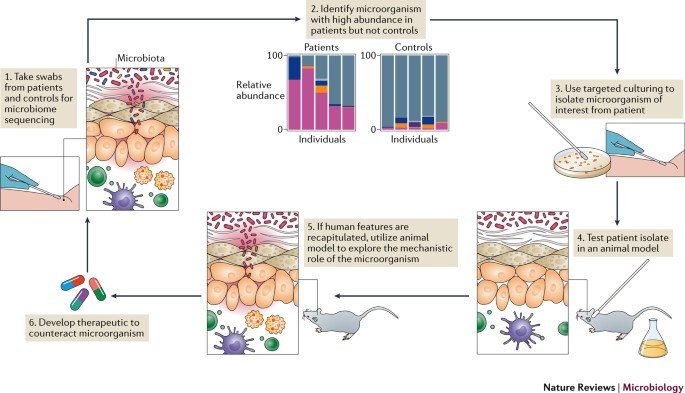
Our skin hosts a bustling community of microorganisms (the skin microbiome), and keeping it balanced is key to a clear, resilient complexion. Here’s where topical probiotics come in. Probiotic skincare products (like creams enriched with beneficial bacteria) aim to boost the skin’s microbiome. Dermatologists explain that these “good” bacteria can act as a protective shield on the skin’s surface, preventing harmful microbes from triggering . By crowding out the “bad” bacteria, probiotic topicals may calm redness and breakouts in conditions like acne, eczema, and rosacea. In essence, nurturing your skin’s microbial harmony helps fortify its natural barrier and immune defenses. The result? Less irritation, fewer flare-ups, and potentially slower aging due to reduced inflammation.
Beauty From Within: The Gut–Skin Axis
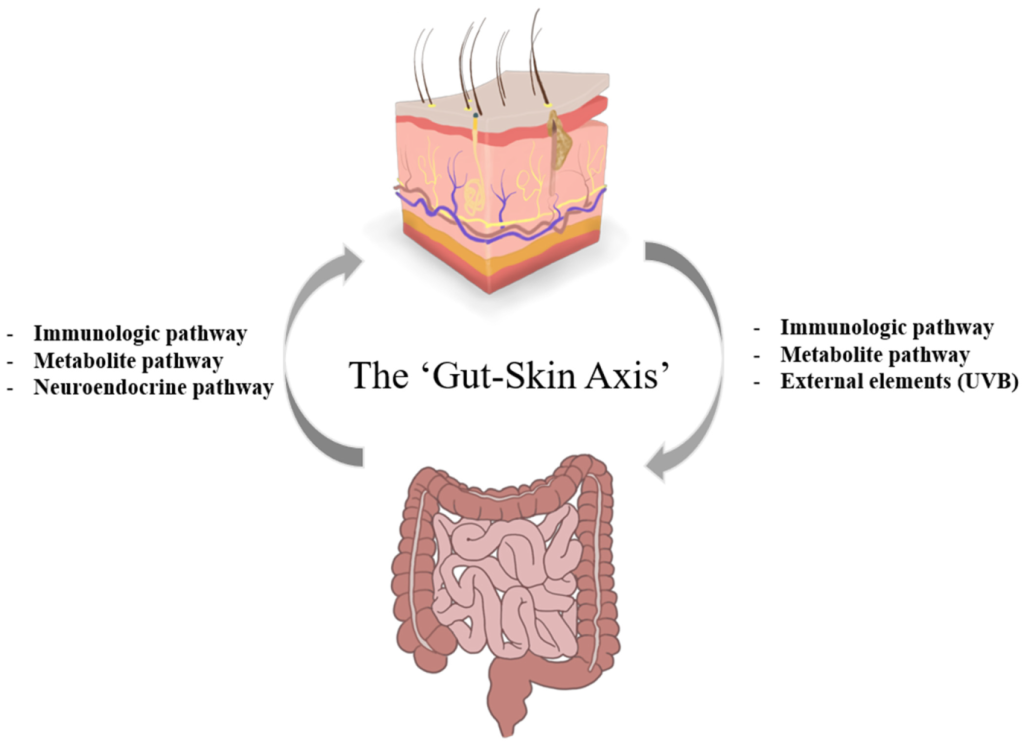
What’s truly compelling is how probiotics can work from within to influence skin wellness. Scientists have discovered an intimate connection between gut health and skin health (often termed the gut–skin axis). A growing body of research shows that consuming probiotics – whether in supplements or fermented foods – can yield skin-deep benefits. For example, maintaining a balanced gut microbiome has been linked to lower systemic inflammation and improved skin barrier function, translating to that coveted “glow from within”.
Early clinical findings are promising: oral probiotic strains have been observed to reduce skin inflammation, regulate sebum (oil) production, and enhance skin . One study even found that greater microbial diversity in the gut correlates with better skin elasticity, hydration, and diminished signs of – giving scientific credence to those “beauty-from-within” claims. In practice, this means that a daily dose of probiotics (through yogurt, kombucha, or supplements) might support clearer, more radiant skin over time by healing the body from the inside.
Science-Backed Skincare Innovation
No longer just a buzzword, microbiome-friendly skincare is now at the forefront of R&D in the beauty industry. Major companies are investing in probiotic and prebiotic technologies, and dermatologists hail the skin microbiome as “the future of dermatology and skin care”. We’re seeing a shift towards products that restore microbial balance – from cleansers that preserve skin’s good bacteria to creams seeded with live cultures. Importantly, experts advise seeking out brands that substantiate their claims with , as not all “probiotic” labels are equal. This science-driven approach aligns with a broader consumer demand for evidence-based, “clean” beauty solutions.
Enzyme Bioscience’s Unique Role: In this probiotic skincare revolution, Enzyme Bioscience is creating and delivering something unique to the world. By harnessing advanced enzyme technology and beneficial microbes, Enzyme Bioscience is developing innovative skincare solutions that bridge holistic wellness and cutting-edge science. Each product is crafted to educate and empower users – providing real, positive results backed by research. Enzyme Bioscience’s mission is to serve the global community with unique enzyme-probiotic formulations that exemplify the best of nature and science working in synergy.
In summary, probiotic skincare has graduated from Hollywood trend to health innovation. From topical creams that reinforce your skin’s natural defenses, to ingestible probiotics that heal your skin from within, the concept is firmly supported by emerging science. For R&D professionals, pharma and cosmetics industries, and students of biotechnology, it’s an exciting time – a case study of how understanding the microbiome can transform products and improve lives. What was once a celebrity beauty secret is now a paradigm shift in skincare, proving that sometimes the key to a luminous complexion lies in nurturing our smallest allies.
References & Further Reading
- De Pessemier, B. et al. (2021). Gut–Skin Axis: Current Knowledge of the Interrelationship and Future Perspectives. Int. J. Mol. Sci. https://pmc.ncbi.nlm.nih.gov/articles/PMC7916842/
- de Almeida, C.V. et al. (2023). Oral and Topical Probiotics and Postbiotics in Skincare and Dermatological Therapy. https://pmc.ncbi.nlm.nih.gov/articles/PMC10301930/
- Gowda, V. et al. (2024). Probiotics in Dermatology: An Evidence-Based Approach. https://pmc.ncbi.nlm.nih.gov/articles/PMC11265726/
- Haykal, D. et al. (2024). Dermatological Health in the Light of Skin Microbiome Research. https://pmc.ncbi.nlm.nih.gov/articles/PMC11626341/
- Lin, H-W. et al. (2025). Efficacy of Oral Probiotics in Patients with Acne: Systematic Review & Meta-analysis of RCTs. Clin Exp Dermatol (ahead of print). https://pubmed.ncbi.nlm.nih.gov/40832719/
- Eguren, C. et al. (2024). Randomized Clinical Trial of an Oral Probiotic Mixture for Acne Vulgaris. Acta Dermato-Venereologica. https://medicaljournalssweden.se/actadv/article/view/33206
- Alves, A.C. et al. (2024). Global Trends and Scientific Impact of Topical Probiotics in Dermatology. https://pmc.ncbi.nlm.nih.gov/articles/PMC11510400/
- Jiménez-Sánchez, M. et al. (2025). The Gut-Skin Axis: A Bi-Directional, Microbiota-Driven Communication Pathway. https://pmc.ncbi.nlm.nih.gov/articles/PMC11901370/
- Hong, J.Y. et al. (2025). Microbiome-Based Interventions for Skin Aging and Barrier Function. Annals of Dermatology. https://anndermatol.org/DOIx.php?id=10.5021%2Fad.25.009
- Prajapati, S.K. et al. (2025). Microbiome and Postbiotics in Skin Health: Mechanisms & Applications. Biomedicines.https://www.mdpi.com/2227-9059/13/4/791?utm_source=chatgpt.com