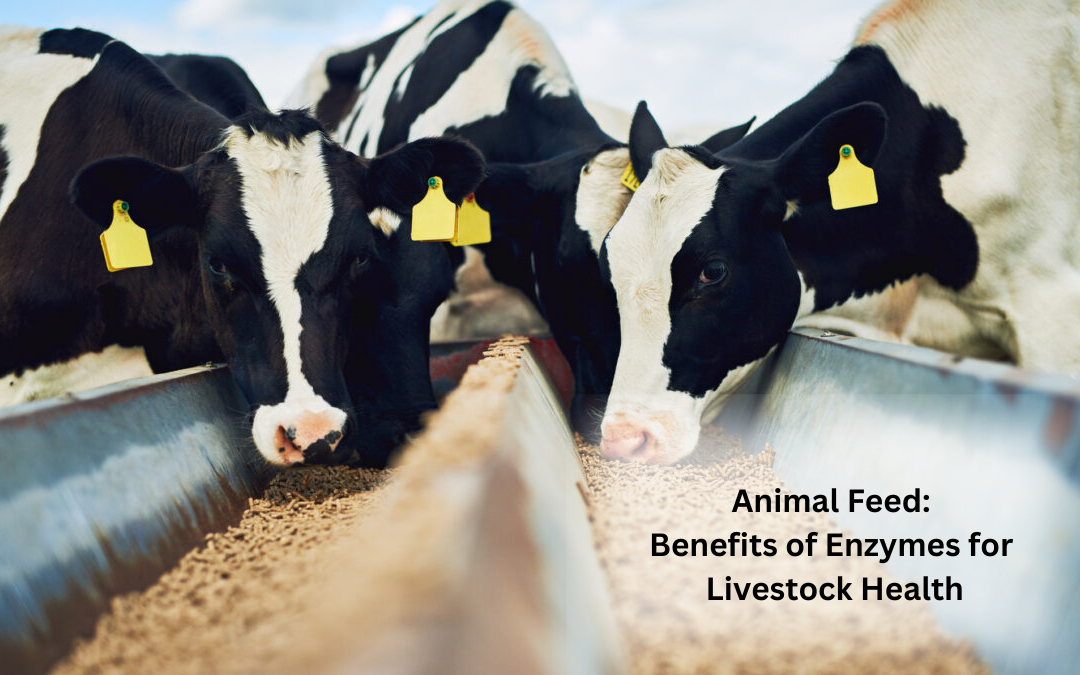
This means that the use of enzymes in animal feed has grown increasingly in the modern agricultural world. There is continuous upsurge in the world’s demand for animal products. This calls for efficient means by which livestock productivity will improve and feed efficiency will be increased alongside sustainability. Enzymes, being biological catalysts, speed up chemical reactions. They have emerged as very powerful tools in optimizing animal feed. These enzymes do not only break down complex nutrients but also promote better health and growth in animals, which will mean increased profitability for farmers.
In this blog, we discuss the What enzymes are in animal feed, their types, benefits, and all.
What Are Enzymes and Why Are They Important in Animal Feed?
These are proteins which catalyze some biochemical reactions by enabling complex molecules to convert to their simple forms. When applied to the animal feed, the enzymes break down carbohydrates, proteins, and fats thereby aiding in a more efficient activity of digestion within livestock.
In such cases, animals are likely to fail to exhaustively utilize the nutrients in the feed hence leading to inefficient digestion consequently poor FCRs.
The importance of enzymes in animal feed cannot be exaggerated.
They are utilized for enhancing digestibility, enhanced nutrient absorption, and improved general animal health. The goal is to enhance feed efficiency, reduce cost, and increase productivity for the benefit of the farmer and the consumer.
Types of Enzymes Used in Animal Feed
Several different types are available for use in animal feeds depending on the needs of specific livestock and the varieties of feed ingredients used. These are the most frequently applied in animal feeds enzyme:
1. Carbohydrases
Carbohydrases are enzymes that break down carbohydrates into simpler sugars. Examples include:
Amylases: Amylases break starches into maltose and glucose, two simpler sugars. They enhance the digestibility of starches in grains such as corn and wheat, making animals absorb more energy from their feeds.
Cellulases: Cellulases break down cellulose, a fibrous material found in the plant cell walls. Livestock, especially ruminants, digest cellulose poorly. Supplementing animal feed with cellulases facilitates better digestion of fibrous plant materials such as grass, hay, and silage, thus improving feed efficiency in general.
Read More: Animal Feed: Boost Nutrient Absorption with Cellulase Enzyme
2. Proteases
Proteases are an enzyme that breaks down protein into amino acids and peptides. This enzyme is particularly handy for making protein-rich ingredients, like soybeans and legumes, more digestible. Since proteases break proteins down into their simpler forms, the livestock can be absorbed by the essential amino acids to promote growth, reproduction, and health in general.
3. Lipases
Lipases are hydrolytic enzymes that degrade fats into fatty acids and glycerol. Fats are a very important energy source for animals, though difficult to digest. The improvement of fat digestion helps animals absorb all the required nutrients for energy and general health. This is particularly significant for animals with higher fat requirements, such as poultry and pigs.
4. Phytases
Phytases are enzymes that break down the form of phosphorus poorly digested by most animals. Phytic acid is highly common in plant-based ingredients such as grains and oilseeds. The addition of phytases to animal feed will have phosphorus released in forms better absorbed by animals for growth, which reduces the adverse environmental impact due to lesser phosphorus waste in manure.
5. Xylanases
Xylanases hydrolyze hemicellulose, which is another type of fibrous material within plant cell walls. It often comes in the feed ingredient made from plants and helps digest the non-starchy polysaccharides more effectively for increased feed efficiency and nutrient absorption.
digestive enzymes in animal nutrition definition
Benefits of Enzymes in Animal Feed:
Improved Feed Conversion Ratio (FCR):
Enzymes improve feed digestion, so animals assimilate more nutrients from the same amount of food. As a result, better FCR implies that animals can convert more feed into body mass or milk. Improved FCR saves on feed and increases profits for farmers.
Increased Animal Growth and Productivity:
Enzyme supplementation increases nutrient absorption, which results in faster growth, better weight gain, and higher milk production. This means that poultry and pigs will have more meat produced, and dairy cows will have higher milk yields.
Enhanced Nutrient Absorption:
Enzymes break up the nutrients into simpler, smaller forms that enhance nutrient uptake of essential vitamins and minerals. This enhances animal health through good immune function and proper development of bones, muscles, and other organs.
Reduction of Environmental Impact:
Undigested feed in manure is reduced by the enzyme that reduces the waste of phosphorus and nitrogen. Better feed conversion decreases the overall carbon footprint of farming operations.
Improved Gut Health and Disease Resistance:
The application of enzymes enhances digestion and prevents the buildup of food undigested inside, thus enhancing gut health and reducing disorders in digestion. The gut is healthy and fortifies the immune system. Therefore, animals become resistant to diseases.
Cost Efficiency:
Enzymes enhance feed efficiency. Animals gain more from their food. This reduces the amount of feed needed, decreases operational costs, and increases profitability, especially for large-scale farming.