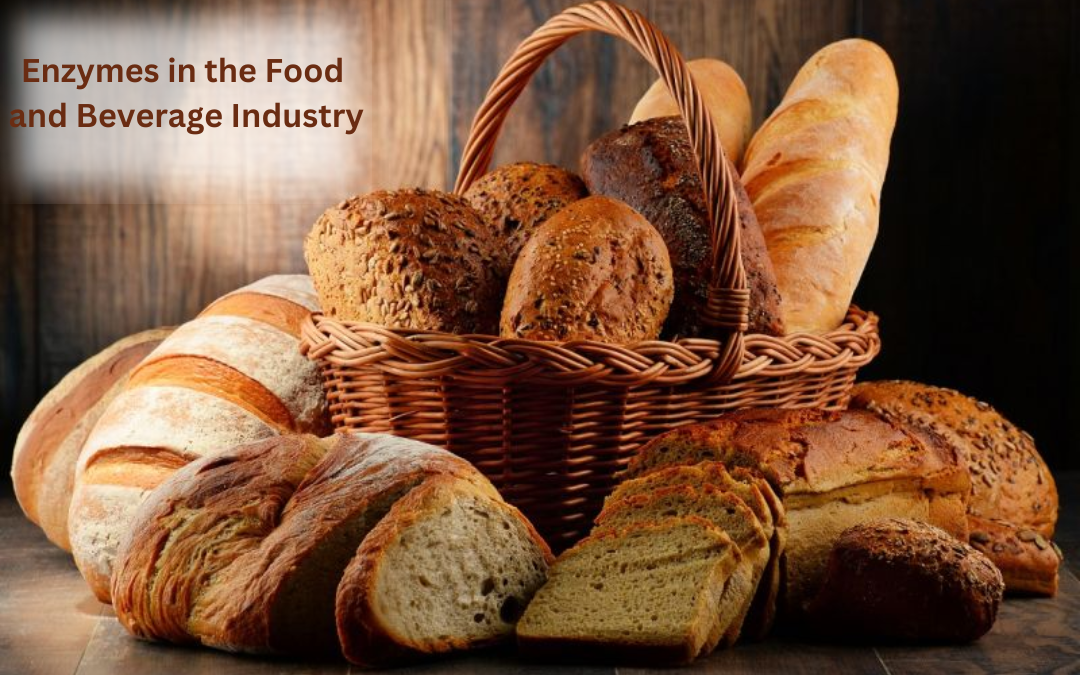
Enzymes are biological catalysts of chemical reactions within living beings. The enzymes have become a sort of an integral part in food and beverage Industry production, turning the processing, preservation, and enhancement of products upside down.
enzymes, manufacturing companies obtain improved efficiency, uniformity in their products, and innovation toward high quality goods.
The following sections discuss the advantages of the use of enzymes in food and beverages, applications of enzymes, and the contribution of enzymes in producing improved products for customers.
What Are Enzymes?
Enzymes are proteins that catalyze chemical reactions without undergoing any degradation in the reaction. They find use in the breakdown of complex molecules, improvement of texture, and enhancement of flavor in food and beverages. Enzymes are sourced from natural sources and meet the increasing demand from consumers to have clean-label and environmentally friendly products.
Applications in Food and Beverage
Enzymes play a significant role across multiple sectors:
Bakery: Amylases enhance the texture and volume of bread. They soften the dough by hydrolysis of proteins through the action of proteases.
Dairy: Lactase helps the preparation of milk free of lactose, while the use of rennet enables the production of cheese.
Brewing: The brewing industry uses amylase in fermentation to make clearer beer with better flavor.
Juice Production: Pectinase increase juice yield and clarity by breaking down fruit cell walls.
Advantages of Using Enzymes in the Food and Beverage Industry
1. Improved Product Quality
Enzymes enhance the quality, flavor, and look of foods and beverages. They tend to make baked goods appear fluffier, their crumb structures are consistently uniform, while the milks become richer and a better sensory experience for the consumers, in the dairy.
2. Increased Efficiency and Productivity
The use of enzymes helps to speed up the process by reducing the time needed for traditional methods and consuming less energy. For example, in brewing, when using enzymes, fermentation and filtration are optimized, resulting in faster beer production without impairing its quality.
3. Natural and Sustainable Processing
Enzymes are derived from nature and are biodegradable, thus being the most eco-friendly option in food processing. They decrease the use of synthetic additives and harsh chemicals, thereby responding to the growing consumer preference for clean-label products.
4. Cost-Effectiveness
By improving yields and reducing waste, enzymes help manufacturers lower production costs. For instance, in meat processing, the use of proteases reduces shrinkage during cooking, thereby maximizing the value of raw materials.
5. Extended Shelf Life
Enzymes that include glucose oxidase and lipase prevent spoilage and oxidation, thus preserving perishable goods for much longer. This not only helps in reducing food enzyme wastage but also increases consumer convenience.
6. Diet Solutions
The enzymes, therefore, serve to match specific dietary needs such as lactose-free or gluten-free products. For instance, lactase enzymes ensure that milk is digestible for lactose-intolerant people, hence broadening the market for dairy products.
7. Customization and Innovation
It gives manufacturers the capacity to engineer enzyme applications and, in turn, build new products that have distinctive properties. With enzymes, producers can develop specialty beers, artisanal breads, and premium dairy products to help them differentiate from the rest.
Conclusion
Enzymes have had a revolutionary impact on food and beverage processing and have made natural, efficient, and sustainable solutions possible. They support quality improvement, cost optimization, and respond to various changing consumer needs for healthier as well as more environmentally responsive products. The role that enzymes play will continue and increase as innovation goes forth, thus shaping the face of food and beverage production.
Manufacturers not only face challenges of the industry but unlock new opportunities by embracing enzyme technology to deliver exceptional products to benefit both businesses and consumers alike.
Note: Food and Beverage Industry, Enzymes for Food and Beverage Industry