
Why price per kg isn’t the full story. Discover how ingredient instability can destroy product value, efficacy, and brand trust in nutraceuticals.
In today’s hyper competitive nutraceutical market, many procurement teams and manufacturers fixate on one metric: price per kg. But this cost first approach often ignores a silent disruptor of product value stability. Nutraceuticals packed with bioactive like enzymes, probiotics, vitamins, and botanicals demand more than just budget friendly sourcing. They require scientific rigor, tested stability, and careful formulation.
As global consumer demand grows for wellness supplements that actually work, instability-related issues such as loss of potency, off-odors, and reduced shelf life are quietly eroding trust in brands. In this article, we’ll explore the real cost of ignoring stability, reveal why price per kg is misleading, and share how Enzyme Bioscience approaches stability to ensure global health benefits are preserved.
Section 1: Understanding the Science of Instability
Nutraceutical ingredients degrade due to: – Temperature sensitivity (especially enzymes and probiotics) – Moisture uptake leading to microbial growth – Oxidation of bioactives (e.g., Vitamin C, polyphenols) – Light sensitivity in certain botanicals and antioxidants
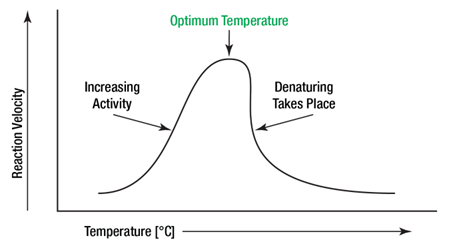
Mechanism of Action (Example): – Enzymes like Bromelain or Lipase can denature above 40°C – Probiotics lose viability if humidity >5% during storage
Section 2: Applications in Functional Foods and Supplements
Unstable ingredients can: – Lose efficacy before consumption – Lead to inconsistent dosage in final product – Affect flavor, appearance, and consumer satisfaction
Use Case: A probiotic blend sourced cheaply at $50/kg lost over 70% viability after 3 months at 25°C due to poor encapsulation.
EBPL Approach: – Controlled fermentation and drying – Low moisture excipients for shelf-stable blends – Tailored enzyme-probiotic combinations for specific food matrices
Section 3: Stability & Quality Considerations
Key Stability Parameters: – Water Activity (aw) < 0.3 – Packaging in nitrogen-flushed, opaque, multi-layer pouches – Stability studies per ICH guidelines (40°C/75% RH)
Tips for Brand Owners: – Ask suppliers for real-time & accelerated stability data – Avoid ingredients without COA showing residual potency – Beware of “spray-dried” labels without protective coating
Section 4: Regulatory Insights
India: FSSAI requires label accuracy within 10% of stated values throughout shelf life. USA: FDA expects substantiation for structure-function claims. EU: EFSA demands proof of bioavailability & stability for health claims.
Instability Risk: Products failing to meet label claims can lead to: – Market recalls – Fines or regulatory warnings – Loss of consumer trust
Section 5: Practical Tips for R&D Teams
1. Always design with end shelf life potency, not starting potency 2. Conduct pilot batches with humidity simulation 3. Use glass vial micro packaging for sensitive actives 4. Include desiccants in final packaging 5. Track CFU loss or enzyme decay during transport & storage
Common Pitfalls: – Assuming “lab-grade” = “shelf-grade” – Ignoring packaging as a stability factor – Focusing only on per kg cost during vendor selection
Conclusion: Rethink the Real Cost
Choosing a cheaper ingredient that degrades in weeks is not cost saving it’s brand suicide. Long term health outcomes and customer loyalty hinge on ingredient integrity. Enzyme Bioscience prioritizes this by investing in stability R&D, real time data, and robust quality systems. It’s not just what you use, it’s how long it works.
CTA: Want to see the difference? Contact EBPL for survive real world conditions.
References / Further Reading
1. EFSA Panel on Dietetic Products, Nutrition and Allergies. (2018). Guidance on the scientific requirements for health claims related to gut and immune function.
2. U.S. FDA. (2023). Dietary Supplement Labeling Guide.
3. FSSAI. (2021). Nutraceutical Regulations India.
4. Stability of Probiotic Formulations in Commercial Products: J Food Sci Technol. (2020)
5. EBPL Internal Stability Report (2024) – Available on request
EBPL R&D Tip “In 2025, the nutraceutical brands that win will be those who prioritize shelf life data and verified potency. Don’t sell what’s cheap sell what stays active.”