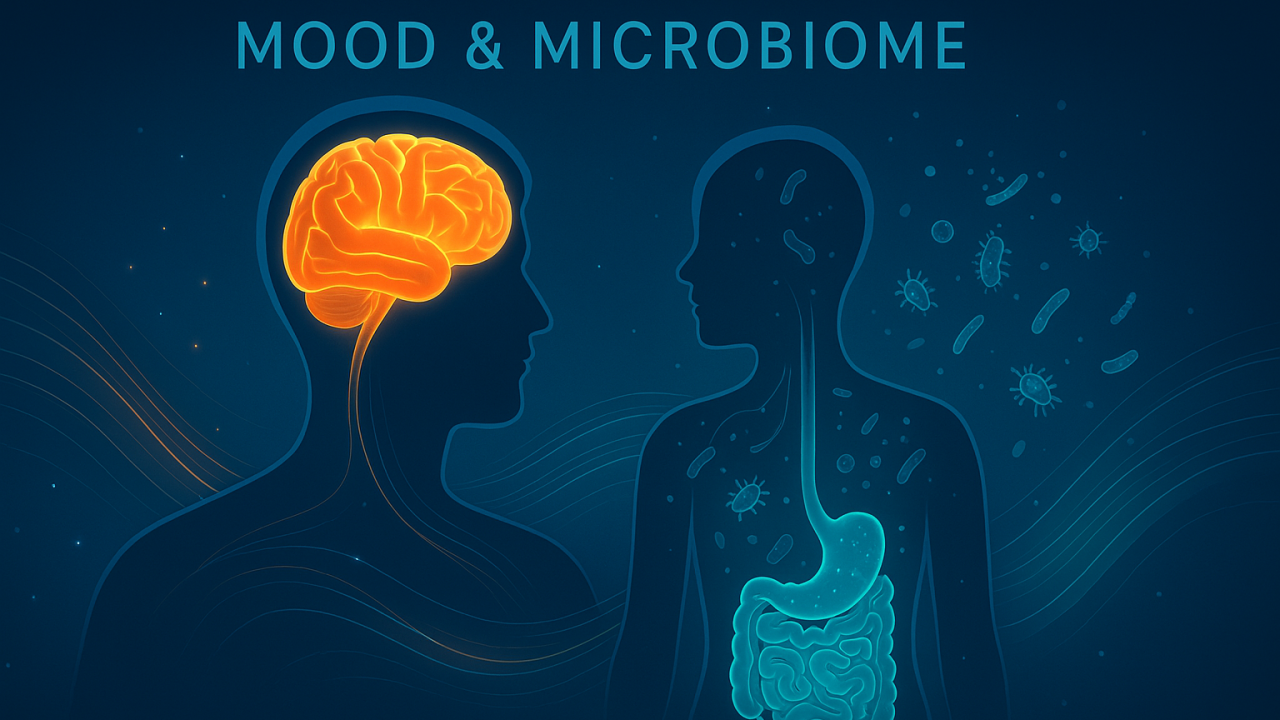
The pursuit of mental wellness has traditionally centered around brain chemistry, cognitive therapies, and pharmaceutical interventions. However, emerging research has spotlighted an often overlooked organ in this journey the gut. Recent discoveries about the gut-brain axis a bidirectional communication network between the gastrointestinal system and the brain are revolutionizing how we think about mental health. This paradigm shift is not only reshaping research but is also influencing the development of next-generation mental wellness products.
Understanding the Gut-Brain Axis
The gut-brain axis (GBA) is a complex communication network linking the central nervous system (CNS) with the enteric nervous system (ENS), primarily through:
Neural pathways (vagus nerve)
Hormonal signals (like cortisol and serotonin)
Immune system interactions
Microbial metabolites (such as short-chain fatty acids)
It is estimated that over 90% of serotonin, a neurotransmitter closely linked to mood regulation, is produced in the gut. The gut is often called the “second brain” because of its immense influence on mental processes. The microbiota in the gut, consisting of trillions of bacteria, plays a key role in regulating mood, behavior, cognition, and even sleep.
Probiotics and Enzymes: Biochemical Bridges to Brain Health
Probiotics in Mental Wellness
Certain strains of probiotics, termed psychobiotics, have shown potential in improving symptoms of depression, anxiety, and stress. These probiotics influence neurotransmitter levels, reduce inflammation, and strengthen the gut lining all contributing to better mental health.
Key strains studied for mental health include:
Lactobacillus rhamnosus: Known to reduce anxiety-like behavior
Bifidobacterium longum: Linked with lower cortisol levels and stress response
Lactobacillus helveticus + Bifidobacterium bifidum: A synergistic blend shown to reduce psychological distress
Enzyme Bioscience’s customized probiotic formulations are developed to target both gut health and mood regulation an innovation rooted in evidence based science.
Role of Enzymes
Digestive enzymes are essential for nutrient absorption, which in turn supports neurological function. Enzyme deficiency can lead to poor digestion, malabsorption, and inflammation all of which disturb the gut-brain balance. Enzymes also assist in breaking down inflammatory proteins in food (e.g., gluten, casein), reducing neuroinflammation triggers.
By formulating enzyme blends that work synergistically with probiotics, Enzyme Bioscience ensures that both nutrient uptake and microbial balance are optimized a foundation for mental wellness.
Science to Product: Enzyme Bioscience’s Vision
Our R&D team focuses on translating gut brain research into practical, effective formulations. We combine:
- High-activity enzyme blends that enhance gut function and reduce inflammation
- Clinically studied probiotic strains for mood and stress
- Prebiotics that selectively nourish beneficial microbes involved in neurotransmitter production
One example is our EnzyGut-Mind+ formulation, currently in development — a synergistic mix of:
- Multi-strain probiotics targeting the GBA
- Natural digestive enzymes (like protease and lipase)
- Prebiotic fibers such as inulin and FOS
This product is designed for daily use by individuals dealing with chronic stress, mental fatigue, or lifestyle-induced digestive imbalances.
Global Trends and Opportunities
The mental wellness industry is shifting. There is growing consumer interest in “natural” and “gut-focused” solutions for mood and mental clarity. Market data show:
- Increased demand for mood enhancing supplements
- Rising inclusion of probiotics in nootropics and brain health products
- Pharmaceutical and nutraceutical companies exploring psychobiotic IP and clinical trials
Companies that understand the biochemical mechanisms of the gut-brain axis and can deliver validated, science-backed solutions will lead this wave. Enzyme Bioscience, with its foundation in R&D and quality-controlled enzyme-probiotic integration, is at the forefront of this movement.
Challenges Ahead
While promising, gut-brain products must overcome:
- Regulatory classification (dietary supplement vs therapeutic agent)
- Standardization of probiotic strains and enzyme units
- Clinical validation and consumer education
Enzyme Bioscience addresses these through rigorous QA/QC, GMP manufacturing, and continuous product innovation aligned with global scientific advancements.
Conclusion: Nurturing Mental Health from the Gut Up
Mental wellness is no longer confined to the mind it begins in the gut. As the world embraces a more holistic approach to health, the gut-brain axis will become central to preventive and therapeutic strategies in mental well being.
At Enzyme Bioscience, we believe in creating solutions that serve people and science not just selling products. Our gut brain formulations represent the future of mental wellness: rooted in research, enriched by biotechnology, and delivered with purpose.
References and Further Reading
- Harvard Health Publishing – The Gut-Brain Connection https://www.health.harvard.edu/diseases-and-conditions/the-gut-brain-connection
- Frontiers in Psychiatry – Psychobiotics and Mental Health https://www.frontiersin.org/articles/10.3389/fpsyt.2020.00520/full
- Nature Reviews Gastroenterology & Hepatology – Gut Microbiota and the Brain https://www.nature.com/articles/s41575-019-0123-9
- Enzyme Bioscience Pvt. Ltd. – Company Profile https://www.enzymebio.com
- Current Opinion in Clinical Nutrition and Metabolic Care – Enzymes in Inflammation and Neurodegeneration https://journals.lww.com/co-clinicalnutrition/Abstract/2020/01000/Role_of_enzymes_in_inflammation_and.10.aspx