The gut health sector is evolving rapidly, fueled by scientific advancements and growing consumer demand for personalized wellness. As we enter 2025, R&D and QA/QC teams are at the forefront of this dynamic market, tasked with developing stable, effective, and evidence based gut health products. From next-generation probiotics and synbiotics to postbiotics and the gut-brain axis, understanding these trends is essential for driving innovation and ensuring product success.
In this blog, we explore five key gut health trends that are redefining consumer expectations and offering R&D teams fresh opportunities. Each trend is supported by current scientific research, highlighting mechanisms of action, formulation challenges, and quality considerations. Whether you’re developing probiotic capsules, functional foods, or microbiome focused supplements, aligning with these trends can elevate your brand and build consumer trust.
1. Next-Generation Probiotics: Expanding the Functional Microbiome
Scientific Background: Traditional probiotics like Lactobacillus and Bifidobacterium have long been market leaders. However, emerging evidence points to next-generation strains such as Akkermansia muciniphila and Faecalibacterium prausnitzii that play vital roles in gut barrier integrity, immune modulation, and metabolic health.
Mechanism of Action: These strains produce short chain fatty acids (SCFAs), modulate inflammation, and strengthen mucosal barriers.
Formulation Challenges: Oxygen sensitivity and viability QA testing for accurate CFU counts Stability during processing and storage
EBPL’s R&D Tip: Consider microencapsulation or anaerobic processing to enhance viability, and validate strain identity using advanced genomic tools.
2. Synbiotics: Enhancing Probiotic Survival and Efficacy
Scientific Background: Synbiotics combine probiotics and prebiotics, offering a synergistic effect that enhances probiotic survival and colonization.
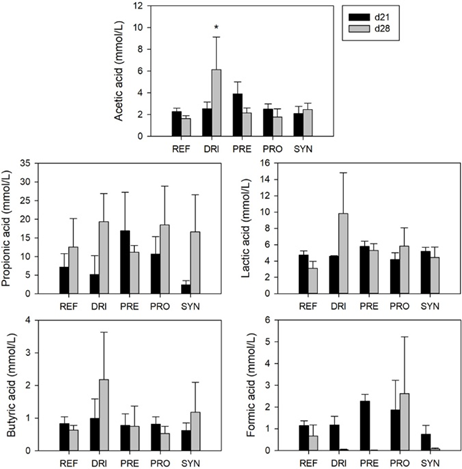
Evidence Base: Clinical trials show that synbiotics can increase SCFA production and improve immune markers more effectively than probiotics alone.
Formulation Considerations: Prebiotic-probiotic compatibility Dose response studies Real world stability testing
EBPL’s R&D Tip: Conduct stability studies at various temperatures and humidity levels to ensure efficacy throughout shelf life.
3. Personalized Nutrition and Microbiome Testing
Market Trend: Microbiome sequencing enables personalized gut health interventions based on individual microbiota profiles.
Scientific Insights: Personalized approaches can enhance adherence and outcomes by targeting dysbiosis, inflammation, and metabolic markers.
Application in R&D: Integrating microbiome testing with formulation design Analyzing responders vs. non-responders in clinical trials
EBPL’s R&D Tip: Collaborate with microbiome testing companies to leverage data for targeted formulation and invest in pilot studies to validate product differentiation.
4. Postbiotics: The Next Frontier in Gut Health
Scientific Background: Postbiotics are non-viable bacterial components or metabolites (e.g., SCFAs, cell wall fragments) that deliver health benefits without the challenges of live probiotics.
Mechanism of Action: They modulate immune responses, reinforce gut barrier function, and may reduce systemic inflammation.
Formulation Benefits: – Enhanced stability compared to live probiotics Easier regulatory pathways in some markets
R&D Considerations: – Identification and quantification of active metabolites Establishing effective dose ranges
EBPL’s R&D Tip: Use validated analytical methods to standardize postbiotic content and ensure batch-to-batch consistency.
5. Gut-Brain Axis: Addressing Mental Well-Being Through the Microbiome
Scientific Overview: The gut-brain axis links the gut microbiota to the central nervous system through mechanisms like vagus nerve signaling and microbial metabolite production.
Evidence Base: Certain strains (e.g., Lactobacillus rhamnosus GG) can influence neurotransmitter levels and impact mood and stress.
Formulation Considerations: – Strain specificity and clinical validation – Standardized dosing for consistent therapeutic effects
EBPL’s R&D Tip: Support product claims with robust clinical data and ensure regulatory compliance for mental health indications.

Conclusion
As the gut health market matures in 2025, R&D teams must navigate complex scientific landscapes to deliver stable, effective, and consumer-trusted solutions. Incorporating these trends into product development and QA/QC ensures your products stand out in a competitive market. At Enzyme Bioscience Pvt. Ltd., we support your innovation journey with quality enzyme and probiotic technologies.
References
1. Derrien, M., & van Hylckama Vlieg, J. E. (2023). The gut microbiome and next-generation probiotics. Current Opinion in Biotechnology, 82, 102913.
2. Pandey, K. R., et al. (2024). Synbiotics: Mechanisms and clinical benefits. Trends in Food Science & Technology, 112, 233-245.
3. Valles-Colomer, M., et al. (2024). The neuroactive potential of the human gut microbiota in depression and anxiety. Cell Reports Medicine, 5(1), 100497.
4. Regulatory guidelines for probiotics and postbiotics: India, US, and EU frameworks.