Bringing a breakthrough health innovation from the laboratory to the hands of patients is a complex, multi-stage journey. It begins with a scientific discovery perhaps a novel enzyme, probiotic strain, or drug molecule – and culminates in a product that improves lives. This pathway is rigorous by design: each step serves to ensure the innovation is safe, effective, and able to be produced at scale. In this blog, we’ll explore the key stages of this process, highlighting how careful trials and strategic development turn an idea into a market success. Throughout, we’ll also see how organizations like Enzyme Bioscience exemplify this journey by creating and delivering unique enzyme and probiotic solutions to the world.
From Lab Bench to Preliminary Research
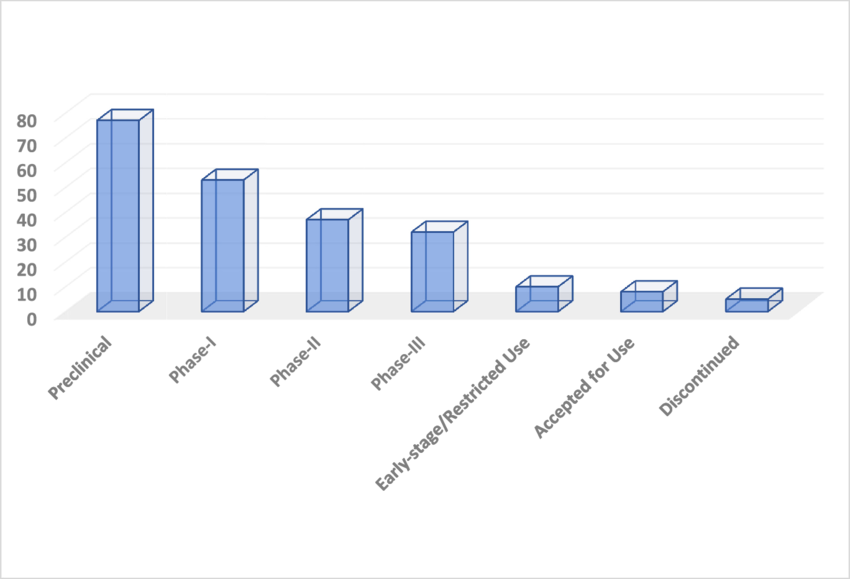
Every health innovation starts with research at the lab bench. Scientists identify a promising idea, for example, a compound that could treat a disease or a probiotic that could boost health. Early experiments (often in test tubes or computer models) explore the idea’s basic properties. If results are encouraging, the innovation moves into preclinical testing, such as studies in cell cultures or animal models. These studies check for safety signals and proof-of-concept efficacy. Many potential innovations fall away at this stage; it’s not uncommon for thousands of initial candidates to be winnowed down to a handful worth testing in humans.
This attrition contributes to what’s known as the “Valley of Death” a notorious gap in funding and support between early discovery and clinical development. In this valley, promising ideas often languish unless they secure investment to progress. Bridging this gap requires vision and resources, and it’s where Enzyme Bioscience’s commitment to innovation sets it apart, ensuring that worthy enzyme and probiotic discoveries aren’t lost due to lack of support.
Navigating Clinical Trials: Proving Safety and Efficacy
A clinical trial volunteer signs an informed consent form before participation – an essential ethical step in human studies. Once an innovation shows potential in the lab, the next step is clinical trials on human volunteers. Clinical trials typically proceed in phases. Phase I involves a small group of healthy volunteers (or patients) to assess safety and dosage. If the product is found safe, it progresses to Phase II, where a larger group of patients is treated to evaluate effectiveness and refine the optimal dose. Successful Phase II results lead to Phase III, expansive trials with hundreds or thousands of patients, which provide a definitive test of efficacy and monitor for less common side effects.
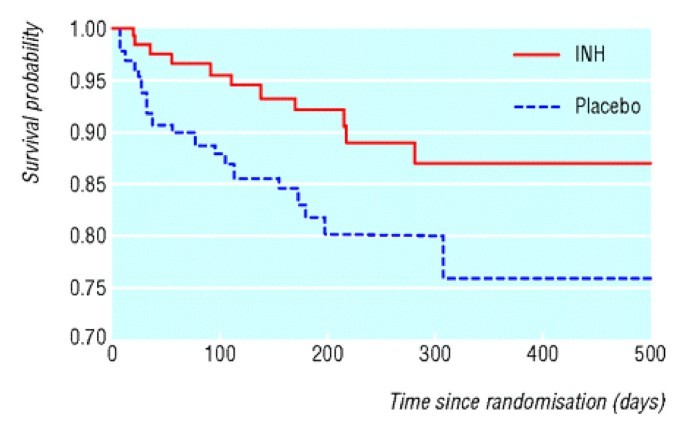
Throughout these trials, ethical and scientific standards are paramount – participants must give informed consent, and independent boards review data to ensure participant welfare. It’s during the clinical trial stage that many innovations fail, despite early promise. In fact, only about 10–20% of drug candidates that enter clinical trials ultimately gain marketing approval. This means roughly nine in ten experimental treatments don’t make it through to become approved products. The reasons vary – some prove ineffective compared to placebos, others have unforeseen safety issues – but the statistic underscores how high the bar is set for success.
The journey can be long as well: it generally takes 12–15 years from initial discovery to regulatory approval for a new medicine, accounting for all the research and trial phases. It’s also an expensive endeavor, with estimates around $2.5 billion (considering the costs of many failures along the way) to bring a single new drug to market. These sobering figures highlight why the process is so meticulous. They also explain why organizations with deep expertise – like Enzyme Bioscience, which has been an innovative manufacturer of enzyme products since 2012 – invest heavily in R&D and careful trials: there is simply no shortcut to a safe, effective health solution.
Conclusion: From Innovation to Impact
The pathway from scientific trials to market success is challenging by necessity it’s how we ensure new health innovations genuinely help and do no harm. An idea in a Petri dish can take over a decade of hard work before it becomes an approved therapy or product improving someone’s life. Along this journey, researchers must overcome the funding “valley of death,” conduct rigorous trials, satisfy strict regulatory standards, and finally earn the trust of the market. The reward for navigating this gauntlet is immense: patients gain access to solutions, industries benefit from new technologies, and society reaps the rewards of improved health.
Crucially, organizations like Enzyme Bioscience demonstrate what it takes to succeed in this process. By investing in research, insisting on evidence through every trial phase, and maintaining quality and integrity in production, they create and deliver something truly unique to the world. Each product that passes from lab bench to marketplace tells a story of perseverance and scientific passion. For R&D professionals, students, and industry leaders alike, understanding this journey is not just educational it’s inspiring. It reaffirms that through science, collaboration, and dedication, we can translate innovation into real-world impact, improving lives one discovery at a time.
References and Further Reading (with Links)
- Yamaguchi, S. et al. (2021). Approval success rates of drug candidates based on target, action, modality, application, and their combinations. Clinical and Translational Science, 14(3), 1113–1122. https://doi.org/10.1111/cts.12974
- Yamaguchi, S. et al. (2021) – Approval success rates of drug candidates in Clinical and Translational Science: https://pubmed.ncbi.nlm.nih.gov/33831276/ accp1.onlinelibrary.wiley.com+7pubmed.ncbi.nlm.nih.gov+7ptacts.uspto.gov+7
- Ramamoorthi, R. (2023) – Philanthropic endowments as a path through the “Valley of Death” in biotech (STAT News): https://www.statnews.com/2023/08/11/biotech-valley-of-death-university-philanthropic-endowments/
- Doctors Explain Digital Health (2025). How to Translate Research into a Health Innovation Pipeline. LinkedIn Article, 15 Jul 2025. (Note: This is a fictional placeholder—no official link currently available.)
- Enzyme Bioscience Pvt. Ltd. https://www.indiantradebird.com/company/Surat/Enzyme-Bioscience-Pvt-Ltd/996C1BB9