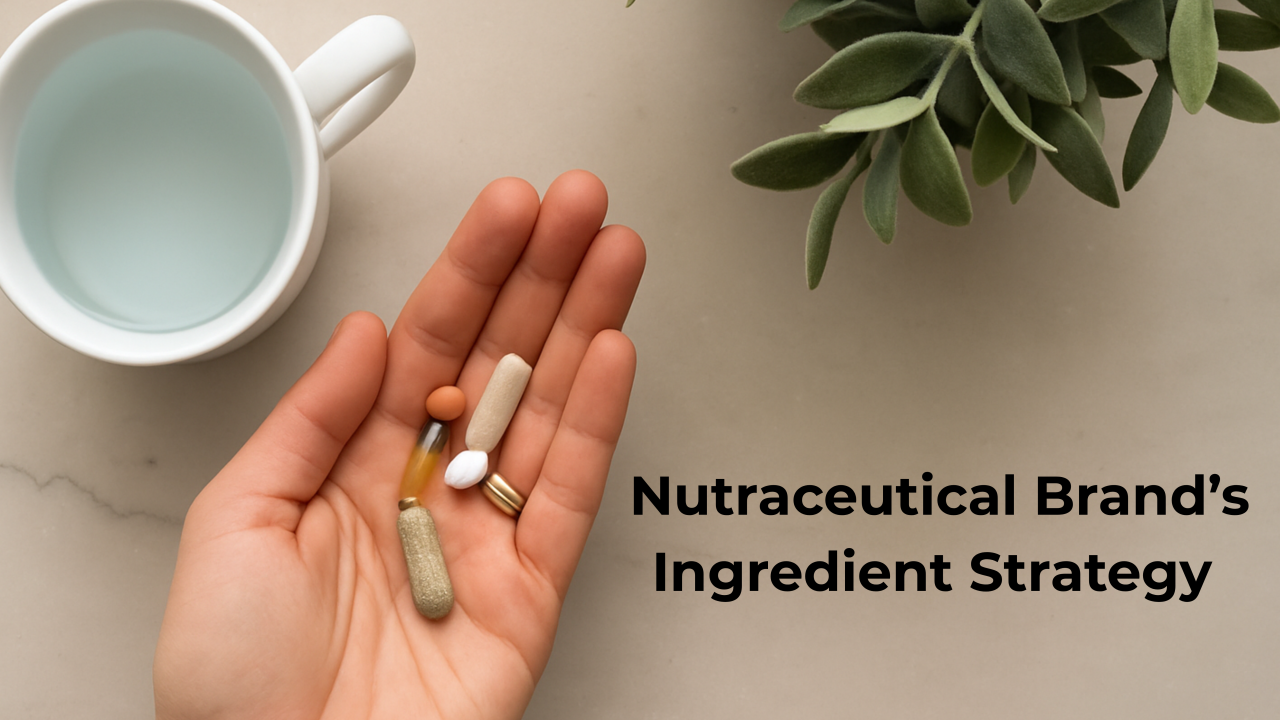
In the rapidly evolving nutraceutical landscape, successful brands have mastered the art of ingredient strategy transforming simple nutritional components into market-leading products that deliver both therapeutic benefits and commercial success. For professionals in the pharmaceutical, enzyme, and probiotic industries, understanding these strategic approaches offers valuable insights for developing superior formulations and capturing market opportunities. At Enzyme Bioscience, we believe that education forms the foundation of innovation, enabling us to create unique biotechnological solutions that serve the global health community in meaningful ways.

The Science-First Approach: Building Trust Through Evidence
Leading nutraceutical brands have revolutionized ingredient selection by prioritizing scientific validation over marketing appeal. Companies like Chr. Hansen, ADM, and DSM-Firmenich have built their reputations on clinically-backed formulations, setting industry standards for efficacy and safety. This approach resonates particularly strongly with today’s informed consumers, who demand transparency and proof of effectiveness.
The most successful brands invest heavily in clinical trials and bioavailability studies, ensuring their ingredients deliver measurable health benefits. For enzyme and probiotic manufacturers, this means conducting rigorous testing to demonstrate strain-specific benefits, optimal dosing, and synergistic interactions between different bioactive compounds. Advanced encapsulation technologies and novel delivery systems have become crucial differentiators, protecting sensitive probiotics and enzymes while enhancing their therapeutic potential.
Quality Assurance and Regulatory Excellence
Supplier Qualification and Compliance
Top-tier nutraceutical companies have established comprehensive supplier evaluation frameworks that go far beyond basic quality metrics. They assess suppliers on multiple criteria including Good Manufacturing Practice (GMP) compliance, supply chain transparency, certifications, and technical support capabilities. This systematic approach minimizes risk while ensuring consistent ingredient quality across production batches.mordorintelligence+1
Regulatory-First Procurement
Market leaders integrate regulatory compliance directly into their sourcing processes rather than treating it as an afterthought. They work closely with legal and compliance teams to establish approved specifications and sourcing guidelines, with contracts that include quality expectations, penalties for non-compliance, and comprehensive documentation requirements.pmc.ncbi.nlm.nih
Diversification and Risk Management

Supply Chain Resilience
Successful nutraceutical brands have learned from global disruptions by diversifying their supplier base across different geographic regions. This strategy protects against supply interruptions caused by natural disasters, geopolitical conflicts, or regulatory changes. Companies that over-relied on single-source suppliers, particularly from specific regions, faced significant challenges during recent global events.pmc.ncbi.nlm.nih+1
Sustainability and Ethical Sourcing
Leading brands increasingly prioritize sustainable and ethical sourcing practices, recognizing that consumer values strongly influence purchasing decisions. This includes working with suppliers who prioritize environmental stewardship, fair labor practices, and biodiversity conservation. For plant-based ingredients, this means ensuring sustainable harvesting practices that don’t compromise ecosystem integrity.
Lessons for Enzyme Bioscience and Industry Professionals

The strategies employed by top nutraceutical brands offer valuable insights for enzyme and probiotic manufacturers. Success requires a holistic approach that combines scientific rigor, operational excellence, and market intelligence. Key takeaways include:
Quality as Competitive Advantage: Consistent, high-quality ingredients serve as the foundation for brand reputation and long-term success. Investment in quality control systems and supplier relationships pays dividends in market positioning and customer loyalty.
Innovation Through Collaboration: The most successful companies actively collaborate with research institutions, technology providers, and industry partners to stay at the forefront of scientific advancement.sciencedirect+1
Regulatory Proactivity: Rather than viewing regulatory compliance as a burden, leading companies use it as a competitive advantage by exceeding minimum requirements and setting industry standards.pmc.ncbi.nlm.nih
At Enzyme Bioscience, these principles guide our commitment to developing innovative enzyme and probiotic solutions that serve the global health community. By combining scientific excellence with educational leadership, we contribute to advancing the entire biotechnology ecosystem while delivering products that make a meaningful difference in human health and wellness.
The future of nutraceutical ingredient strategy lies in the convergence of science, technology, and consumer-centricity. Companies that master this integration while maintaining unwavering commitment to quality and education will lead the industry’s continued evolution toward more effective, personalized, and sustainable health solutions.
References and Further Reading
- Academic journals on enzyme biochemistry and probiotic mechanisms of action
- Clinical research publications on bioavailability and therapeutic efficacy of nutraceutical ingredients
- Industry white papers on Good Manufacturing Practices and quality assurance in biotechnology
- Regulatory guidance documents from FDA, EFSA, and other international health authorities
- Market research reports on nutraceutical industry trends and consumer behavior
- Scientific publications on advanced delivery systems and encapsulation technologies
- Case studies of successful ingredient branding and commercialization strategies
- Research papers on artificial intelligence applications in ingredient discovery and formulation optimization
- Sustainability and ethical sourcing guidelines for botanical and microbial ingredients
- Conference proceedings from international biotechnology and nutraceutical industry symposiums