Consumers today are increasingly scrutinizing what goes into their foods and supplements. The clean label movement has emerged in response to this demand for transparency and simplicity in ingredients. A clean label typically means a product’s packaging avoids listing ingredients that are perceived as undesirable – no artificial additives, chemical-sounding names or obscure. Instead, labels highlight positive terms like “natural,” “no preservatives,” and short, recognizable ingredient lists. The goal is to give products a natural, healthy image that builds consumer . It’s a trend powered by consumer education: in the United States, 71% of shoppers say recognizing ingredients is important in purchase . Around two out of three consumers worldwide consider the ingredient list when buying food or . Clearly, from the origin of raw materials to the final product on the shelf, clean labeling has become a key indicator of quality and transparency.
The Clean Label Movement and Consumer Demand

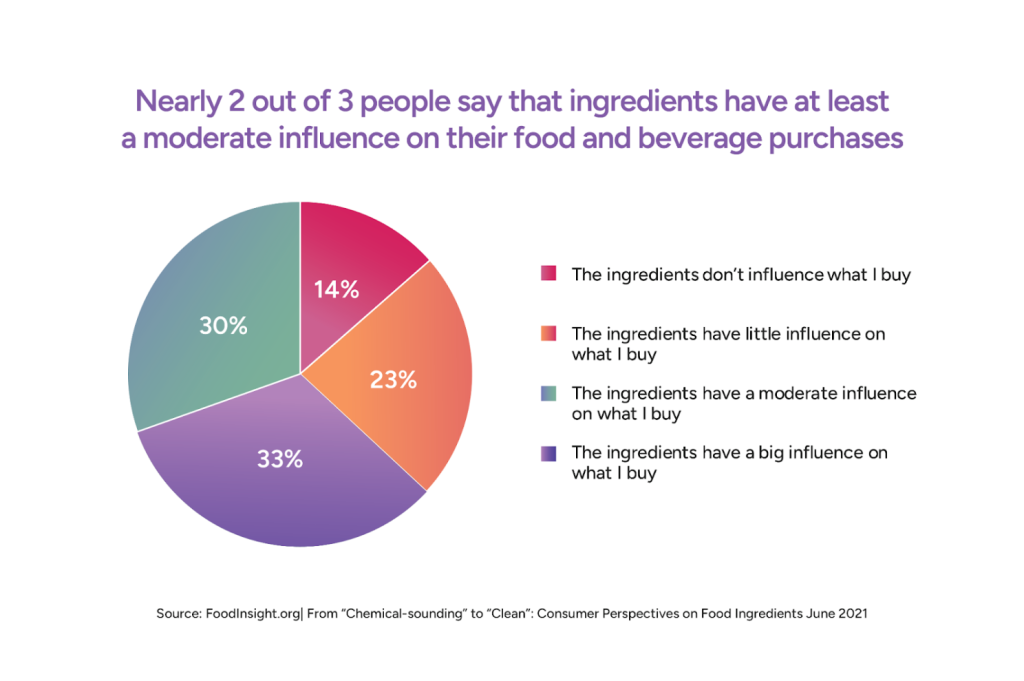
Today’s market has elevated clean labeling from a niche idea to a mainstream expectation. Shoppers have grown skeptical of long, chemical-laden ingredient lists and are actively seeking products with transparent labeling, devoid of artificial additives or . In fact, consumer demand for simple, natural products and honesty in labeling is at an all-time . Clean labels resonate because they’re easy to read no mysterious E-numbers or complicated names just ingredients one can recognize and . Many people equate clean labels with healthier, safer products, preferring items free from artificial preservatives, colors, flavors, GMOs, and common . This has a direct impact on sales: industry surveys show that “clean label” claims influence the purchasing decisions of about two thirds of . However, there’s still some confusion for example, a significant portion of consumers aren’t entirely sure what “clean label” largely because there is no official regulatory definition of the . Despite the ambiguity, the core idea is consistent: minimally processed, natural-origin ingredients, and transparency about sourcing and production. Companies that can deliver on these expectations gain a competitive edge in today’s health-conscious market.
Why Clean Labeling Matters in Today’s Market
Clean labeling matters because it sits at the intersection of health, consumer trust, and innovation. Modern consumers are more health-conscious than ever, driving them to seek out foods with natural ingredients and fewer processed . Rising incidences of food allergies and sensitivities have also made shoppers more vigilant about ingredient a clean label gives them confidence that nothing unnecessary or harmful is hidden inside. This trust factor is huge: brands that adopt clean labels often find it improves their reputation and loyalty among customers who value transparency. In a very real sense, a clean label can be seen as a company’s commitment to quality and corporate responsibility, showing that they put consumer well-being first.
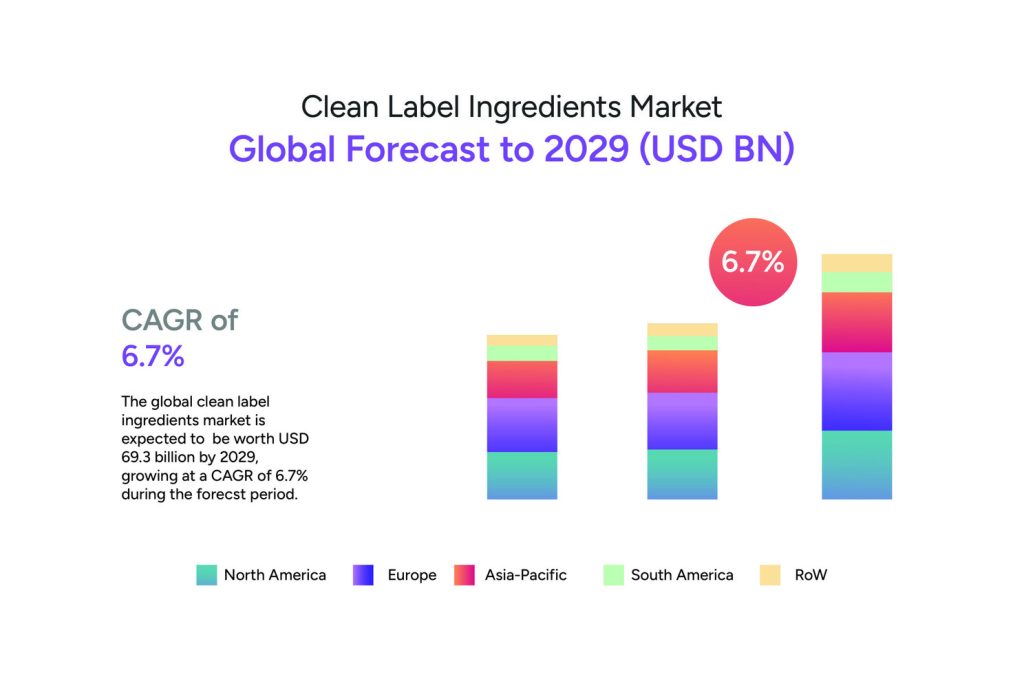
There’s also a market advantage. Products positioned as having clean labels can command a premium as consumers are willing to pay a bit more for perceived better quality and peace of mind. This has led to a surge in reformulation efforts across the food and pharma industries. For example, big food manufacturers are removing artificial preservatives and dyes, and pharma/nutraceutical companies are creating supplements with cleaner excipient profiles. The trend spans from R&D labs to grocery aisles – R&D teams are challenged to find novel natural alternatives for chemical additives, and marketers proudly display these changes on packaging. Indeed, regulatory and industry trends are reinforcing clean labeling: many governments have begun imposing stricter rules on certain synthetic additives, nudging companies toward natural . The European Union, for instance, has long had stringent food safety regulations and is encouraging reduced reliance on artificial additives, bolstering clean label . The United States’ FDA, while not defining “clean label,” has been reevaluating how claims like “natural” or “healthy” are used, reflecting consumers’ cleaneating. Thus, clean labeling matters not only for meeting consumer demand but also for staying ahead of regulatory curves and global market trends. Companies that proactively adopt cleaner labels are better positioned as leaders in a food and health industry that’s increasingly focused on transparency, wellness, and sustainability.
Innovative Solutions and Enzyme Bioscience’s Unique Role
Achieving clean labels often requires innovation behind the scenes. This is where companies like Enzyme Bioscience are making a remarkable contribution – by providing advanced enzyme and probiotic solutions that enable cleaner labels on final products. Enzymes, for example, have become unsung heroes in clean label product formulation. Unlike traditional additives, enzymes can be used as processing aids: they perform a technological function during manufacturing (such as improving bread dough or extending shelf-life) but do not remain active in the finished . Because they’re typically natural proteins derived from plants or microbes, and are often inactivated by cooking or processing, they do not have to be listed as ingredients on the . Replacing a synthetic additive with an enzyme can thus maintain or even improve product quality while keeping the ingredient list short and . For instance, bakers now use enzymes to replace certain chemical dough conditioners the enzymes make bread softer and keep it fresher longer, yet the consumer sees no scary additive on the label, just the result (softer, natural bread). Similarly, food cultures and probiotics are leveraged in dairy and beverages to naturally achieve effects like fermentation, flavor development, or preservation, all in line with clean label . These biological “helpers” are viewed as clean by consumers and even allow extra label claims (e.g. “contains live cultures” or “no added sugar” when enzymes are used to break down sugars) that make products more.
Enzyme Bioscience has positioned itself at the forefront of this clean label revolution by focusing on natural, biotechnology-driven ingredients. The company creates enzyme blends and probiotic formulations that help manufacturers worldwide eliminate harsh chemicals from their products without sacrificing functionality. Whether it’s an enzyme that tenderizes meat naturally, a probiotic that improves gut health in a supplement, or a fermentation agent that preserves food, the emphasis is on solutions that are effective yet label-friendly. What makes Enzyme Bioscience’s approach unique is its commitment to quality and compliance across global standards. All products are developed to meet stringent quality benchmarks and regulatory requirements – from Indian Pharmacopeia (IP) standards to European Union regulations and U.S. FDA guidelines – ensuring these bio-based solutions can be trusted and used internationally. By adhering to such high standards, Enzyme Bioscience ensures that adopting a clean label strategy never means compromising on safety or efficacy. In essence, the company is serving the world something unique: harnessing the power of nature’s own catalysts (enzymes, microbes) and cutting-edge R&D to replace synthetic additives. This empowers industries like food & beverage, nutraceuticals, and pharma to innovate products that are not only better for consumers but also simpler and more transparent in composition.
Conclusion
From the origin of each ingredient to the information presented on a package, clean labeling represents a holistic commitment to clarity, natural quality, and consumer trust. It matters in today’s market because it aligns with broad societal shifts towards health and transparency. Companies embracing this movement – and enablers like Enzyme Bioscience, which provide the tools to do so – are creating products that truly connect with the values of modern consumers. Clean labeling is more than a marketing trend; it reflects a positive change in how we produce and choose our food and health products. By continuing to innovate with natural solutions and maintaining high standards from source to shelf, we can look forward to a marketplace filled with products that proudly wear their clean labels – to the benefit of consumers and the industry alike.
References and Further Reading
- Lebensmittelverband (German Food Association) – What are “Clean Labels”? (Clean Labelling explained in German) https://www.lebensmittelverband.de/de/lebensmittel/werbung/clean-labels
- World Bakers (2017) – Enzymes and Clean Label – How enzymes as processing aids enable clean-label baking https://www.worldbakers.com/enzymes-clean-label/
- Natural Cure Labs (2024) – What Does It Mean to Have a ‘Clean Label’? – Consumer trends and definitions https://www.naturalcurelabs.com/blogs/articles/what-does-clean-label-mean
- FDA (2018) – Use of the Term “Natural” on Food Labeling – FDA’s perspective on “natural” claims and clean labeling https://www.fda.gov/food/nutrition-food-labeling-and-education/use-term-natural-food-labeling
- Food & Eurekastics (EU Guidance) – Guidance Document on food enzymes as processing aids under EU regulation https://food.ec.europa.eu/system/files/2016-10/fs_food-improvement-agents_enzymes-guidance-categorisation.pdf