
Over-the-counter (OTC) antacids and proton-pump inhibitors (PPIs) are widely used in the United States to relieve symptoms of heartburn, acid reflux, and indigestion. While effective in reducing acidity, these treatments do not address the underlying cause of digestive discomfort—often incomplete breakdown of food. Increasingly, U.S. physicians are turning attention to digestive enzymes as a safe and targeted alternative that promotes natural digestion without altering gastric pH.
Why Antacids Alone Fall Short
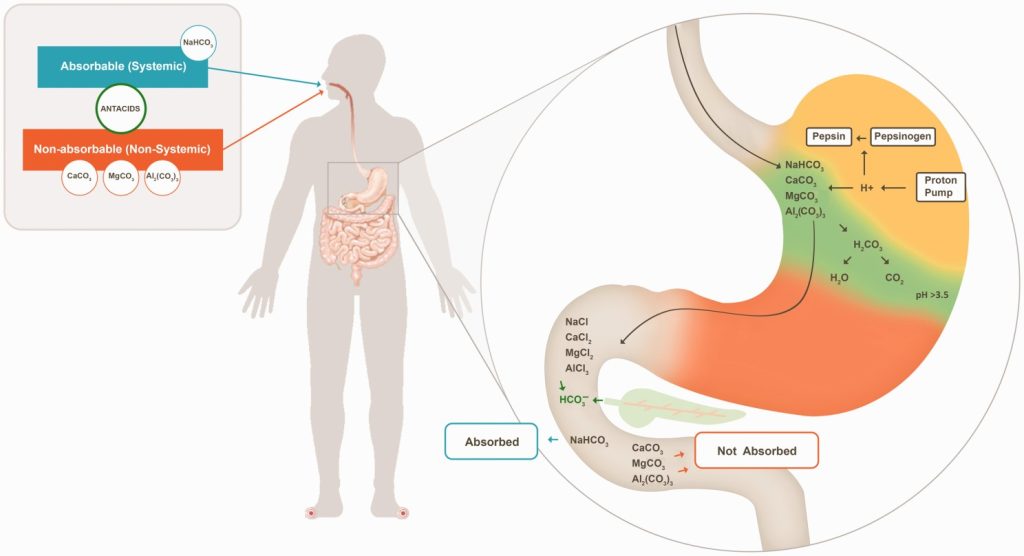
Antacids provide short-term relief by neutralizing stomach acid, but long-term use may interfere with nutrient absorption and gut balance. For many individuals, symptoms such as bloating, heaviness, or reflux are not due to excess acid, but to maldigestion of carbohydrates, proteins, fats, or fibers. Addressing this root cause requires restoring enzymatic activity rather than suppressing stomach function.
Digestive Enzymes: Supporting Physiology, Not Suppressing It
Digestive enzymes work at physiological pH to catalyze the breakdown of food molecules:
- Carbohydrates → sugars
- Proteins → peptides and amino acids
- Fats → fatty acids and glycerol
- Dairy lactose → glucose and galactose
- Fibers → smaller oligosaccharides
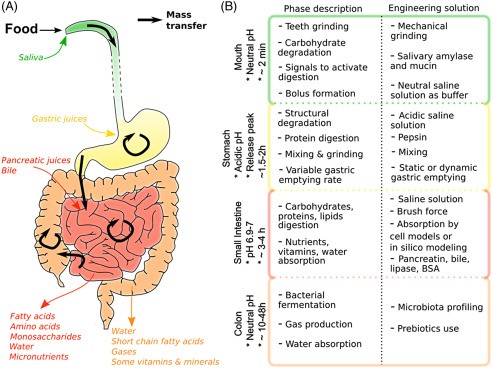
By improving digestion efficiency, enzyme supplementation can reduce the burden of undigested residues, lowering gas formation, bloating, and reflux triggers—without altering the body’s natural acid balance.
linical Recommendations from U.S. Doctors
Medical experts in the U.S. recommend enzyme therapy in specific, evidence-based scenarios:
- Lactase for lactose intolerance
- Alpha-galactosidase for reducing gas from beans and fermentable carbohydrates
- Prescription pancreatic enzymes for pancreatic insufficiency
This “correct the deficit” approach is gaining traction as a complementary or alternative strategy to routine antacid use, particularly in patients with identifiable enzyme deficiencies or intolerances.
Enzyme Bioscience’s Comprehensive Digestive Blend
Enzyme Bioscience Pvt. Ltd. has developed a unique multi-enzyme formulation designed to support complete digestion:
- Alpha Amylase – Hydrolyzes starch for better carbohydrate digestion
- Neutral Protease – Breaks down proteins, reducing reflux-related peptides
- Cellulase – Degrades plant fibers, minimizing fermentation-related gas
- Lactase – Splits lactose for improved dairy tolerance
- Lipase – Hydrolyzes fats for improved nutrient absorption
- Xylanase – Reduces hemicellulose complexity, improving fiber digestibility
This holistic approach supports balanced digestion of mixed meals and promotes gastrointestinal comfort, aligning with global healthcare trends toward safe, physiologically supportive therapies.
Key Takeaways
- Antacids target acidity; enzymes target maldigestion.
- Digestive enzymes act naturally, without altering pH balance.
- U.S. doctors recommend targeted enzyme supplementation for intolerances.
- EBPL provides science-based blends designed for comprehensive digestion.
- Enzymes should be positioned as adjuncts, complementing medical care and diet management.
References & Further Reading (with links)
- Digestive enzymes: How supplements like Lactaid and Beano can help with digestion — Harvard Health Publishing Harvard Health
- Digestive enzyme supplements for heartburn? — Harvard Health Blog Harvard Health
- Digestive Enzyme Supplementation in Gastrointestinal Diseases — Ianiro et al., PMC / NCBI (review) PMC
- The effect of oral α-galactosidase on intestinal gas production and gas-related symptoms — clinical study (PubMed) PubMed
- Does Beano prevent gas? A double-blind crossover study of oral α-galactosidase — Journal of Family Practice PubMed+1
- Efficacy and tolerability of α-galactosidase in treating gas-related symptoms — BMC Gastroenterology BioMed Central